Insights & Innovation
Latest Trends in Tech, Startups, and Investment
Stay updated with insights and innovation from the world of technology, startups, and strategic investment—including trends and success stories from the CPSA ecosystem.
Featured Articles
In-depth analysis and expert insights
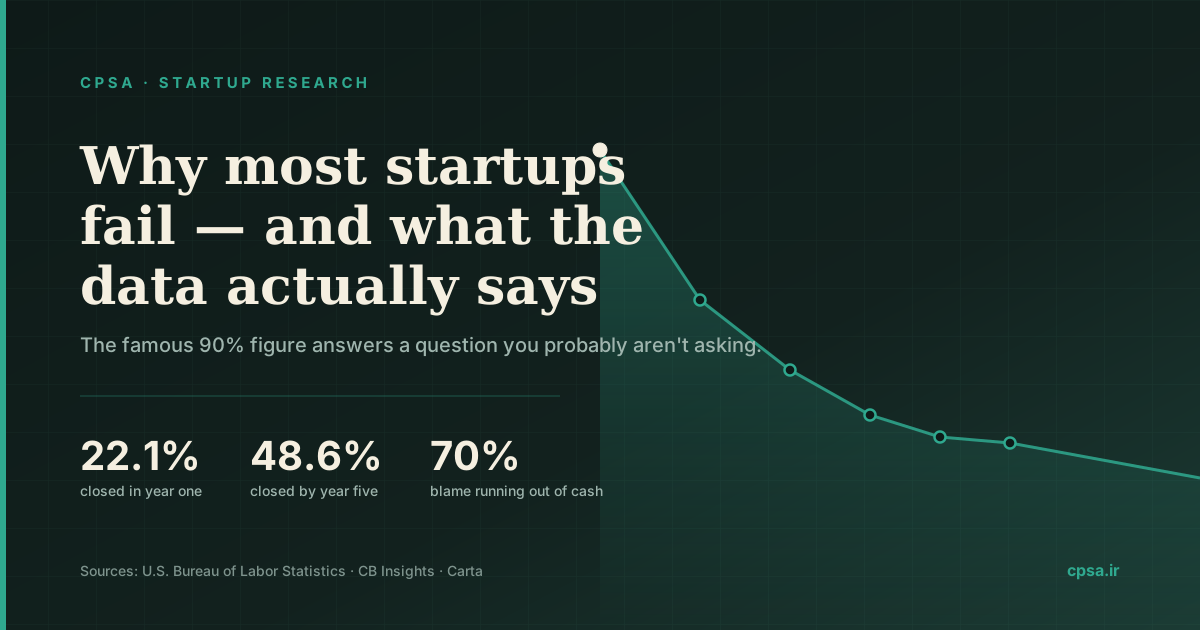
Why Most Startups Fail: What the 2026 Data Actually Shows
The famous 90% failure rate measures venture-scale returns, not survival. Here is what current data shows about when startups die, why cash is only the final symptom, and the runway gap now manufacturing avoidable failures.
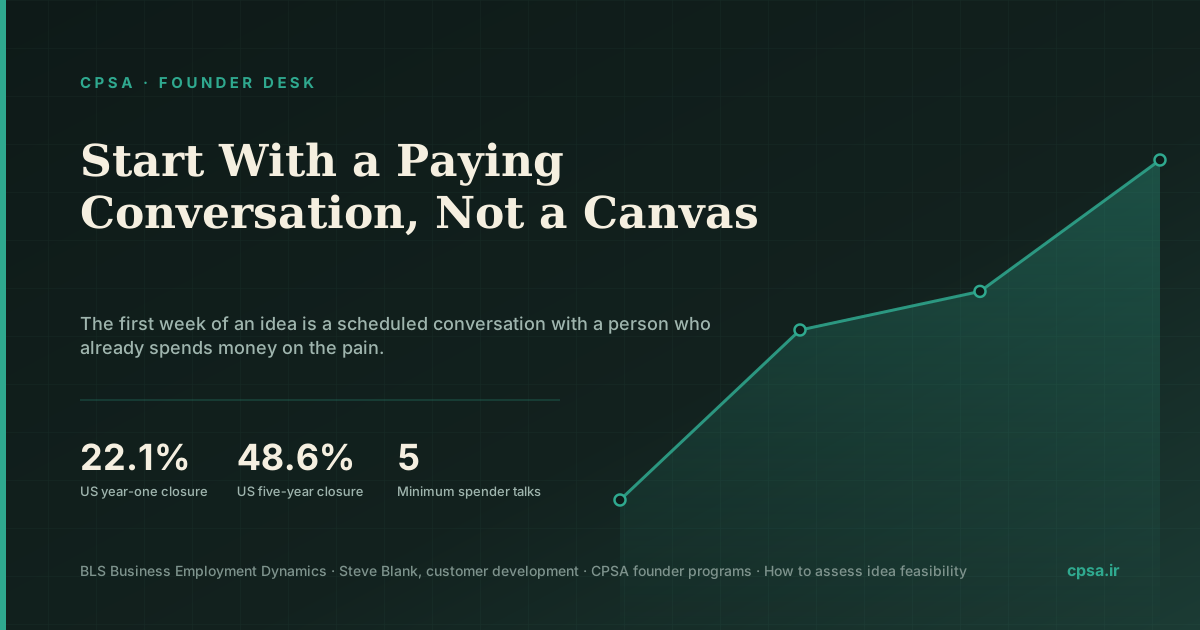
Start With a Paying Conversation, Not a Canvas
The first week of an idea is a scheduled conversation with a person who already spends money on the pain.
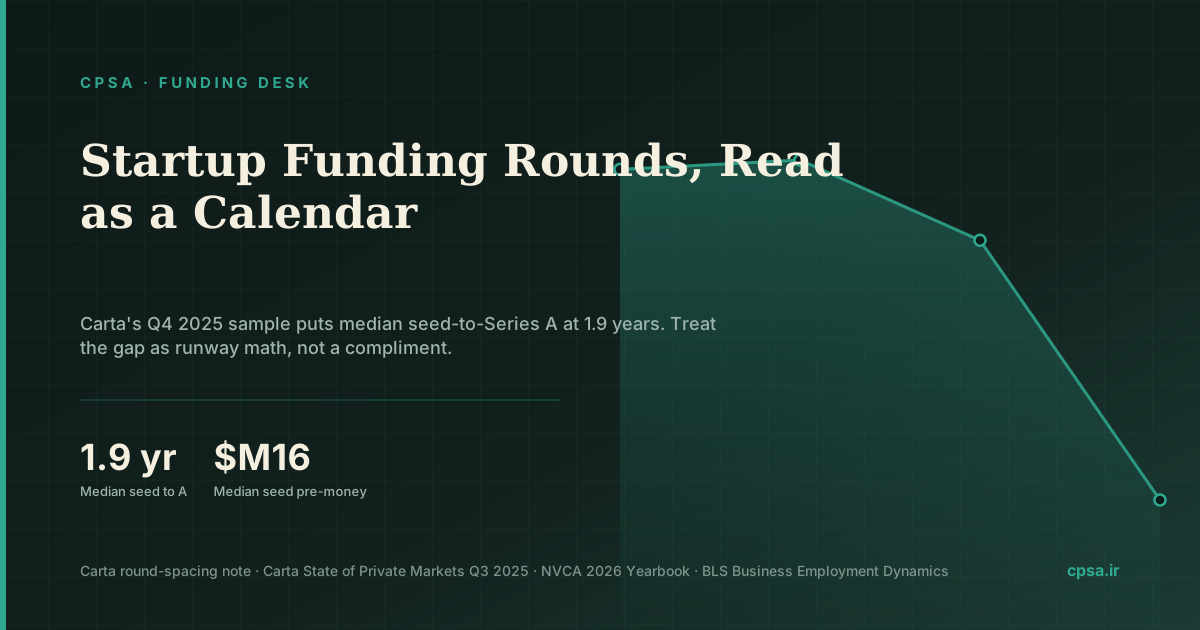
Startup Funding Rounds, Read as a Calendar
Carta's Q4 2025 sample puts median seed-to-Series A at 1.9 years. Treat the gap as runway math, not a compliment.
Latest Posts
Fresh perspectives and industry updates
startup
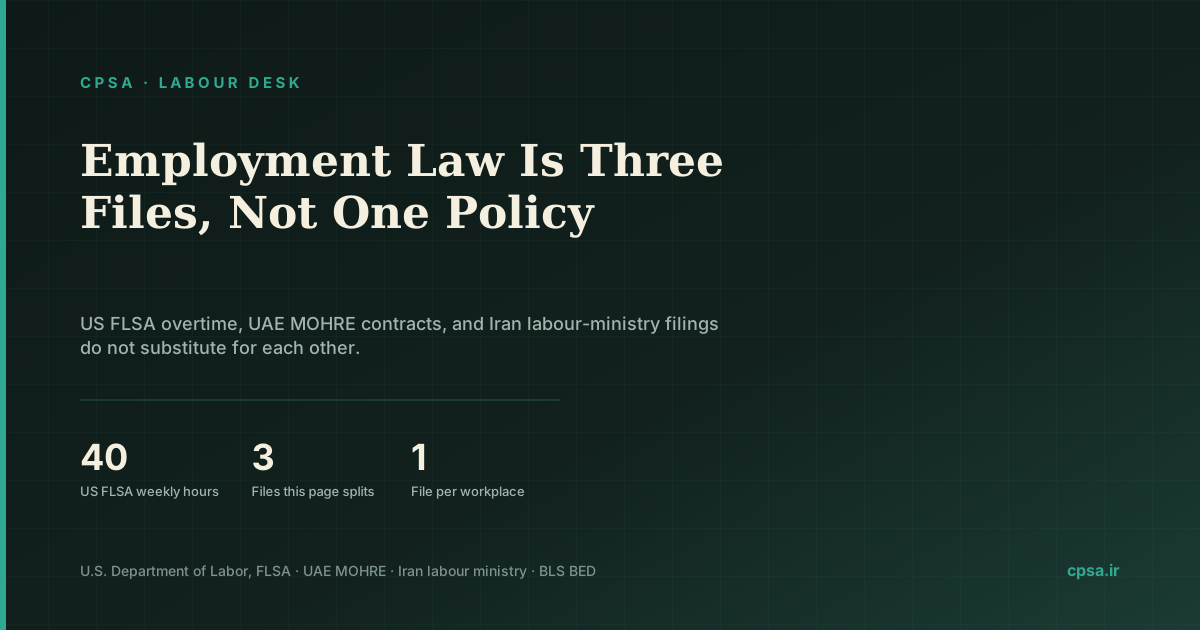
Employment Law Is Three Files, Not One Policy
US FLSA overtime, UAE MOHRE contracts, and Iran labour-ministry filings do not substitute for each other.
Investment
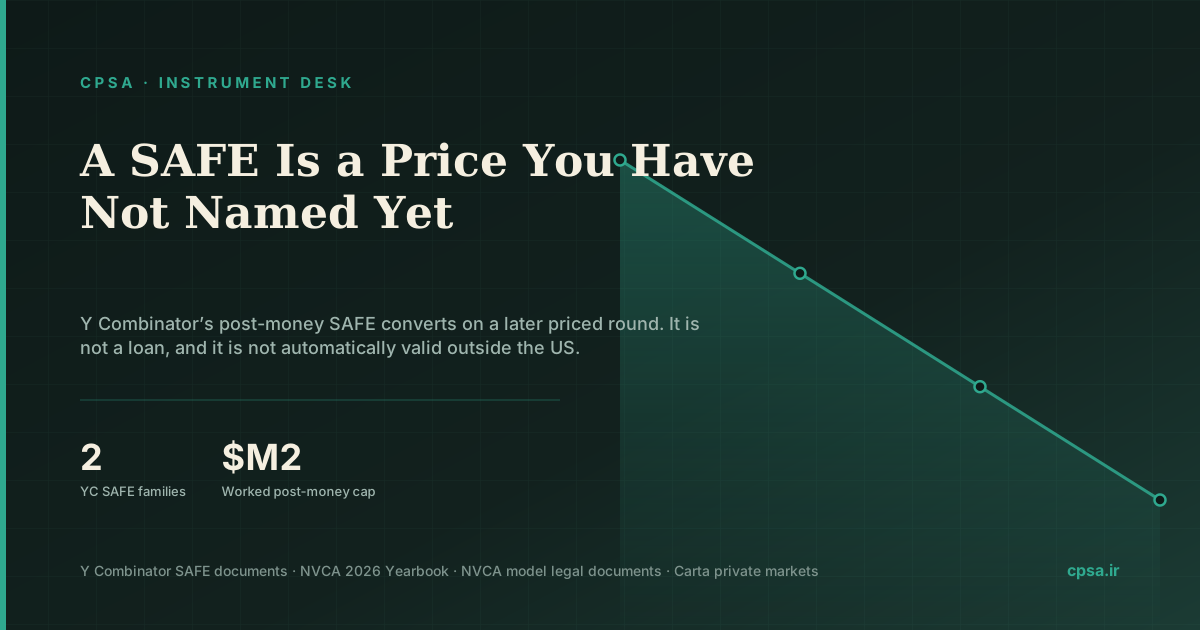
A SAFE Is a Price You Have Not Named Yet
Y Combinator’s post-money SAFE converts on a later priced round. It is not a loan, and it is not automatically valid outside the US.
Startup
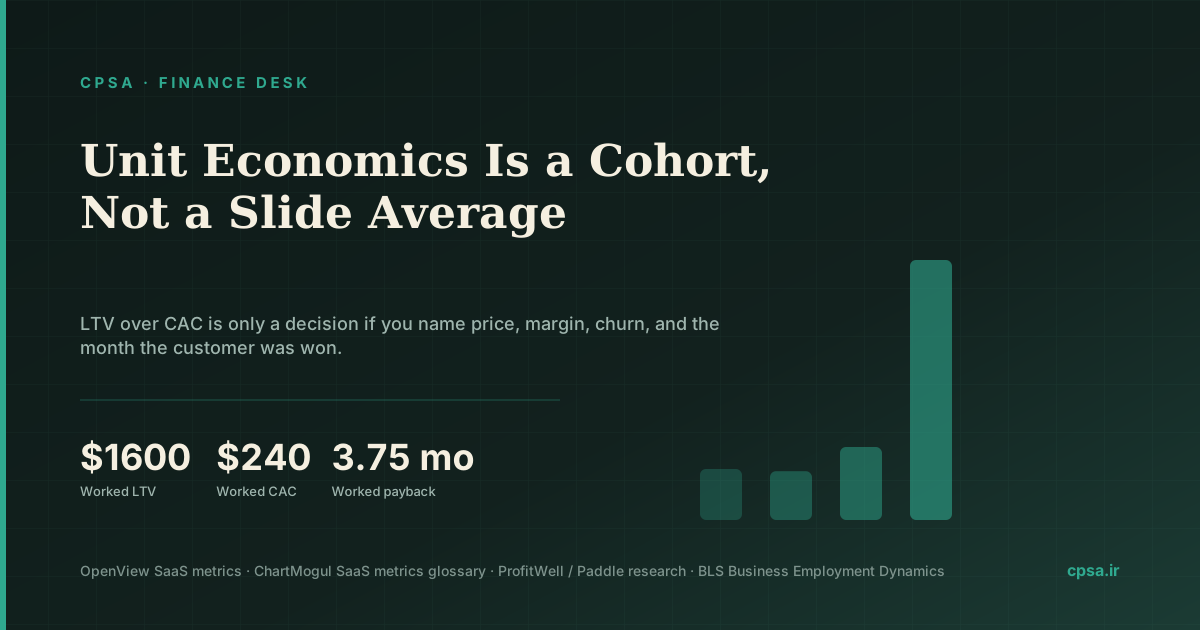
Unit Economics Is a Cohort, Not a Slide Average
LTV over CAC is only a decision if you name price, margin, churn, and the month the customer was won.
startup
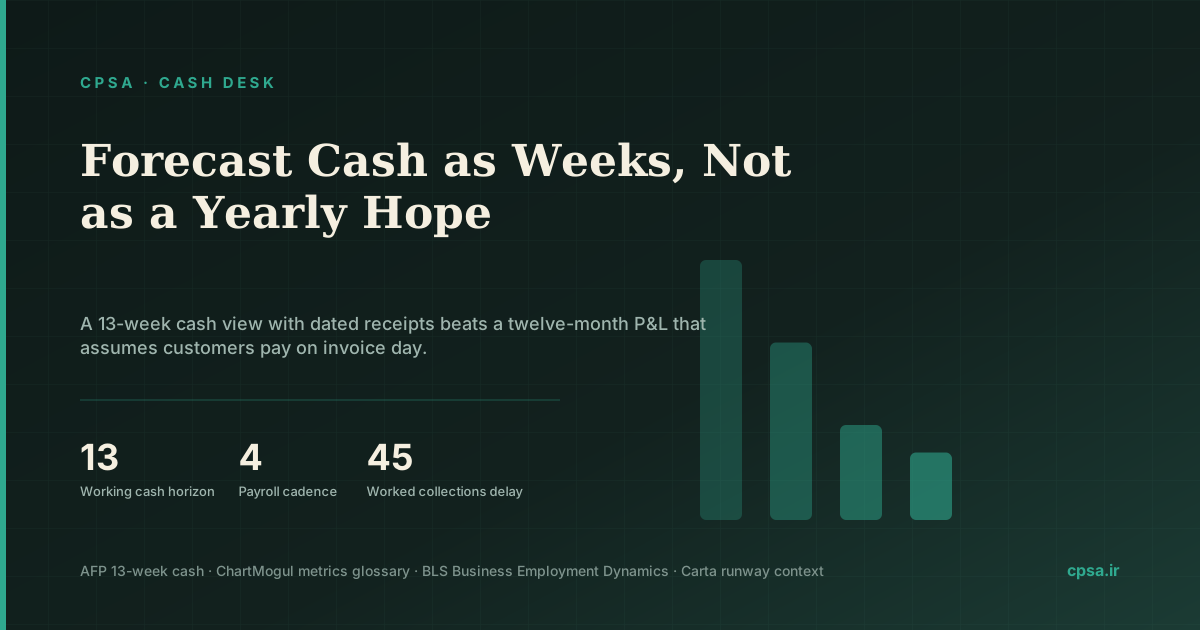
Forecast Cash as Weeks, Not as a Yearly Hope
A 13-week cash view with dated receipts beats a twelve-month P&L that assumes customers pay on invoice day.
startup
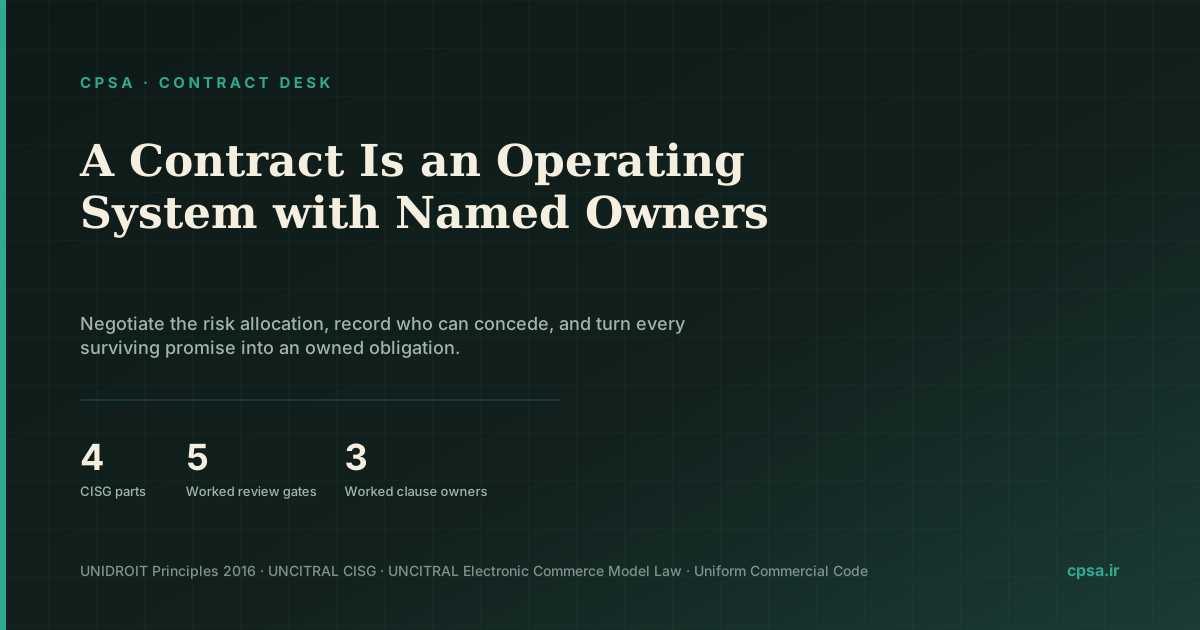
A Contract Is an Operating System with Named Owners
Negotiate the risk allocation, record who can concede, and turn every surviving promise into an owned obligation.
investment
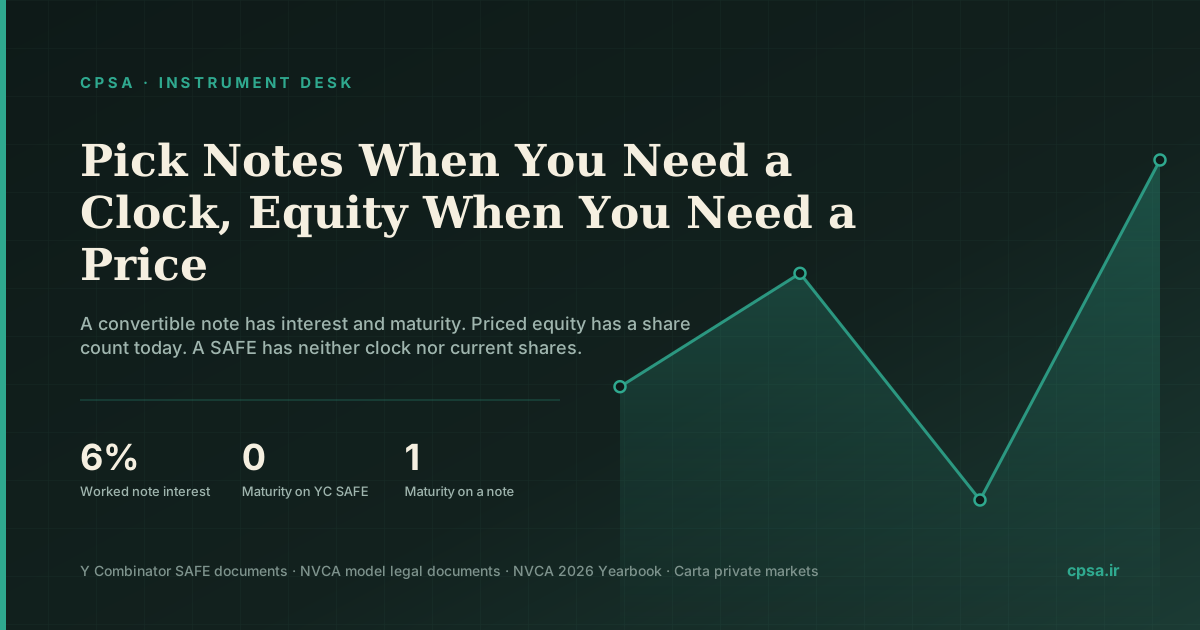
Pick Notes When You Need a Clock, Equity When You Need a Price
A convertible note has interest and maturity. Priced equity has a share count today. A SAFE has neither clock nor current shares.
startup
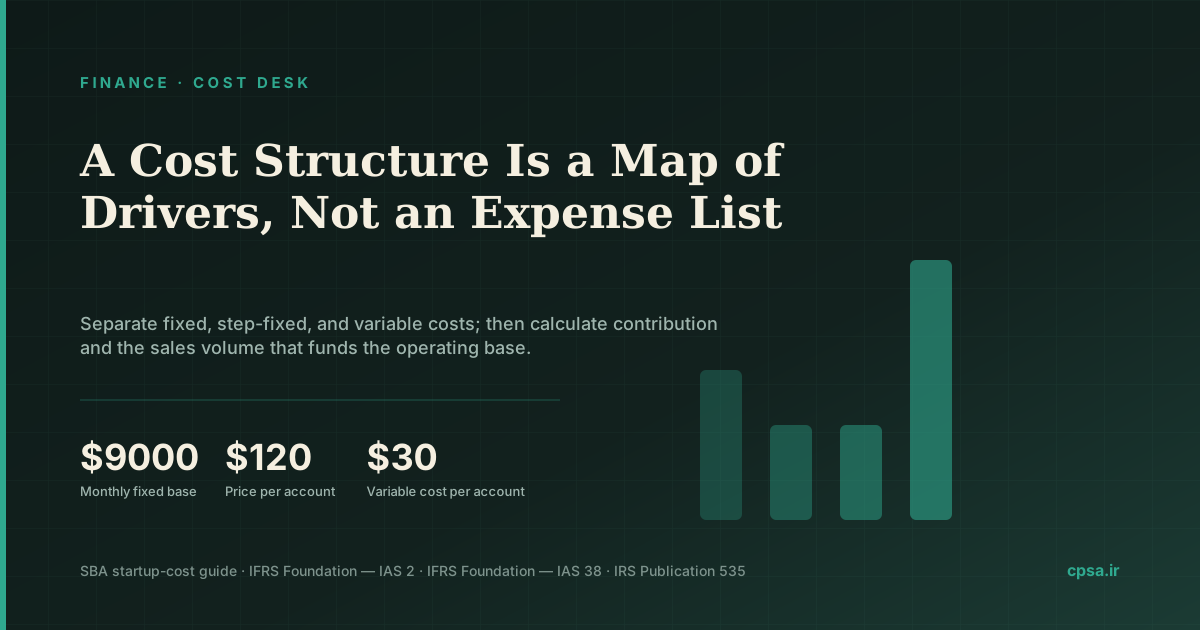
A Cost Structure Is a Map of Drivers, Not an Expense List
Separate fixed, step-fixed, and variable costs; then calculate contribution and the sales volume that funds the operating base.
startup
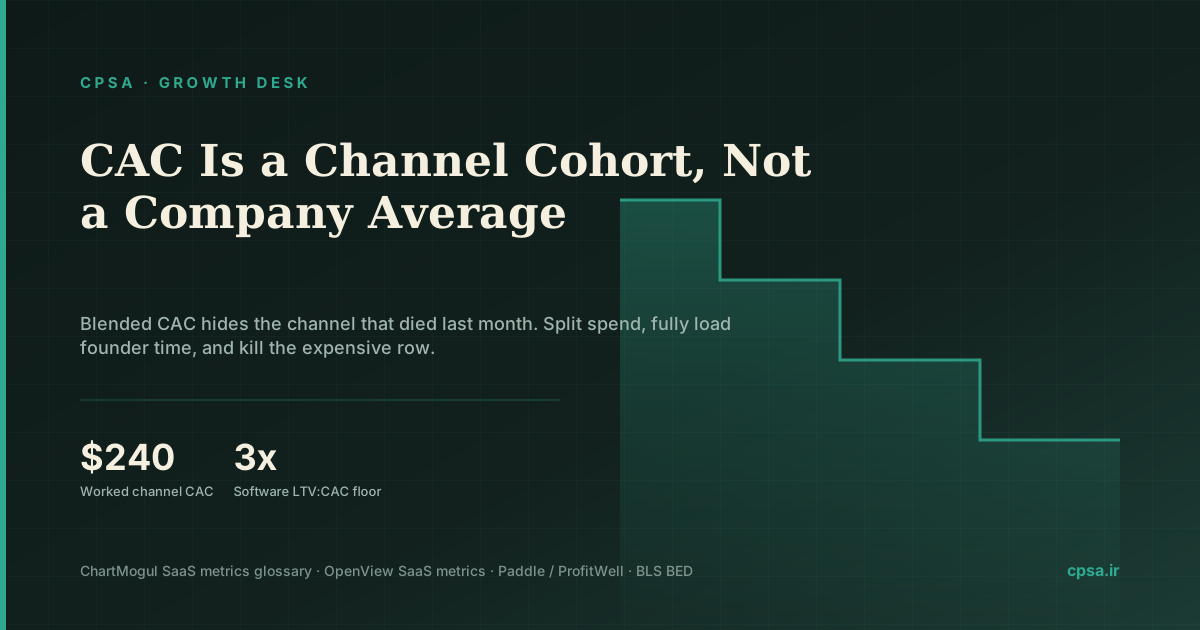
CAC Is a Channel Cohort, Not a Company Average
Blended CAC hides the channel that died last month. Split spend, fully load founder time, and kill the expensive row.
startup
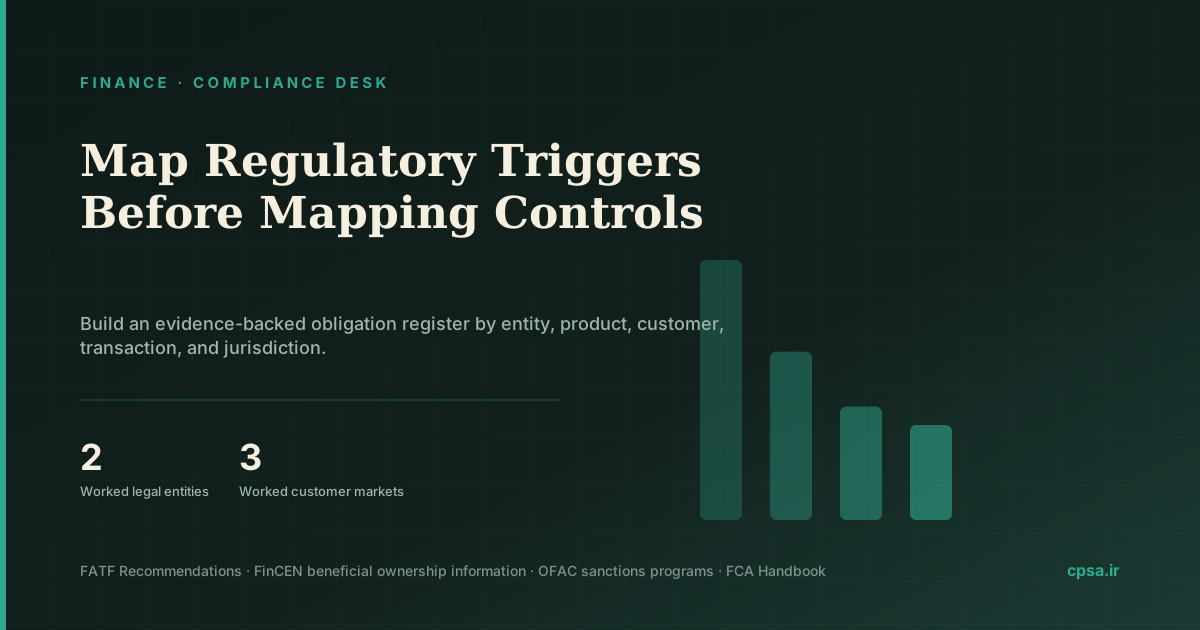
Map Regulatory Triggers Before Mapping Controls
Build an evidence-backed obligation register by entity, product, customer, transaction, and jurisdiction.
startup
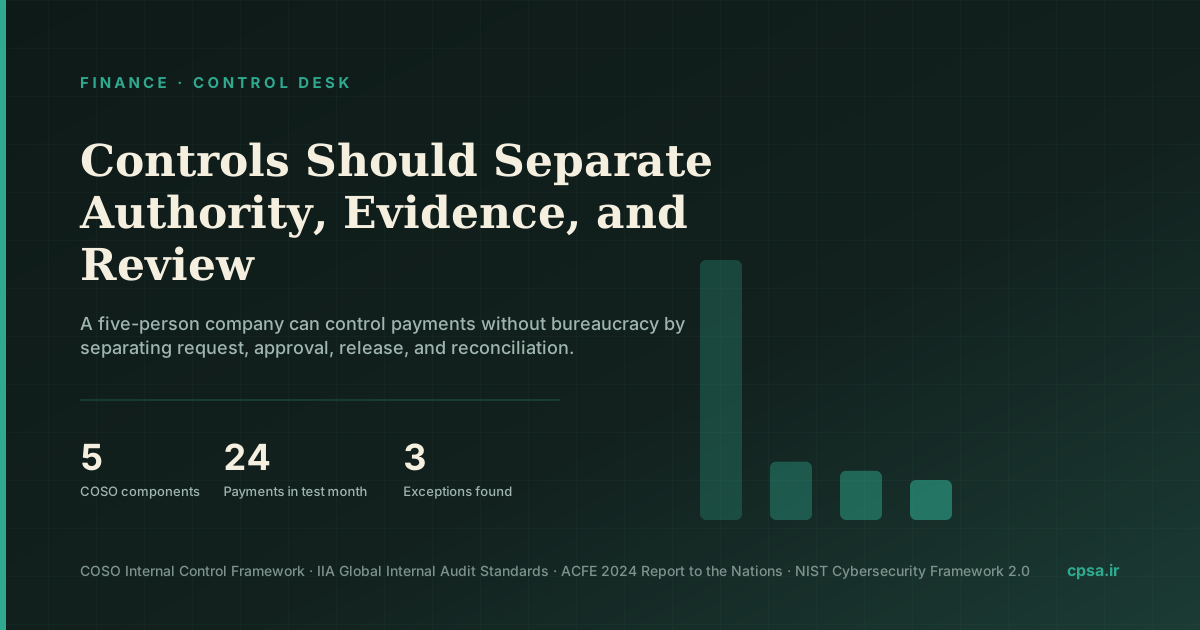
Controls Should Separate Authority, Evidence, and Review
A five-person company can control payments without bureaucracy by separating request, approval, release, and reconciliation.
startup
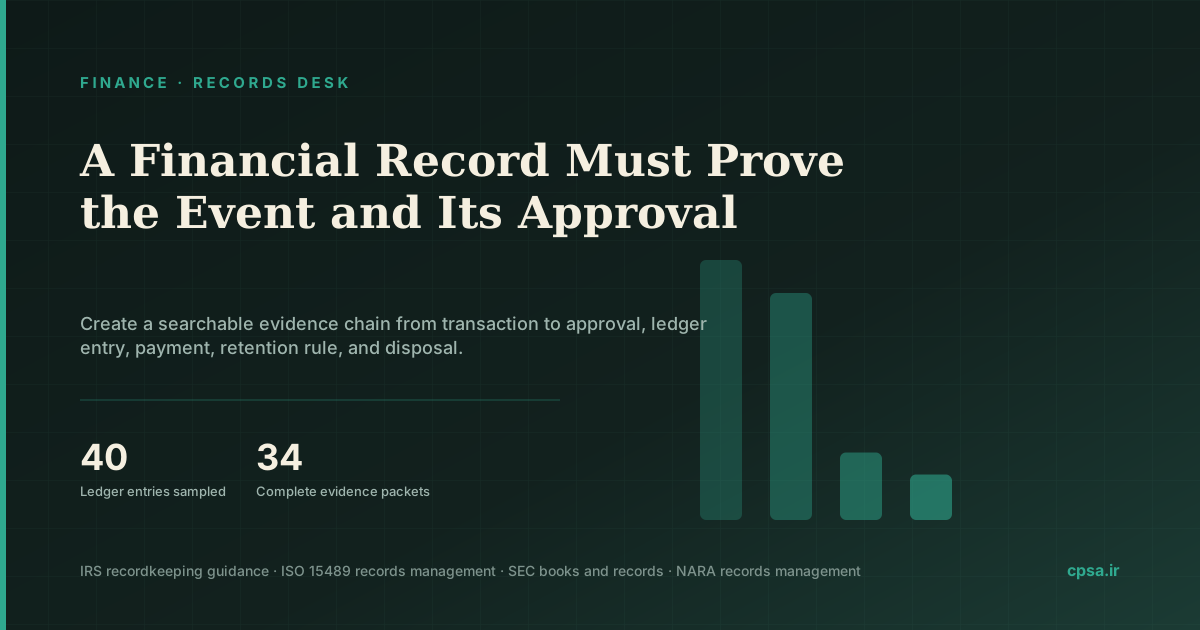
A Financial Record Must Prove the Event and Its Approval
Create a searchable evidence chain from transaction to approval, ledger entry, payment, retention rule, and disposal.

startup
Track a Reconciled Metric Tree, Not a Dashboard Zoo
Revenue, gross margin, burn, runway, and retention become useful only when definitions, periods, and ledger ties are explicit.
startup
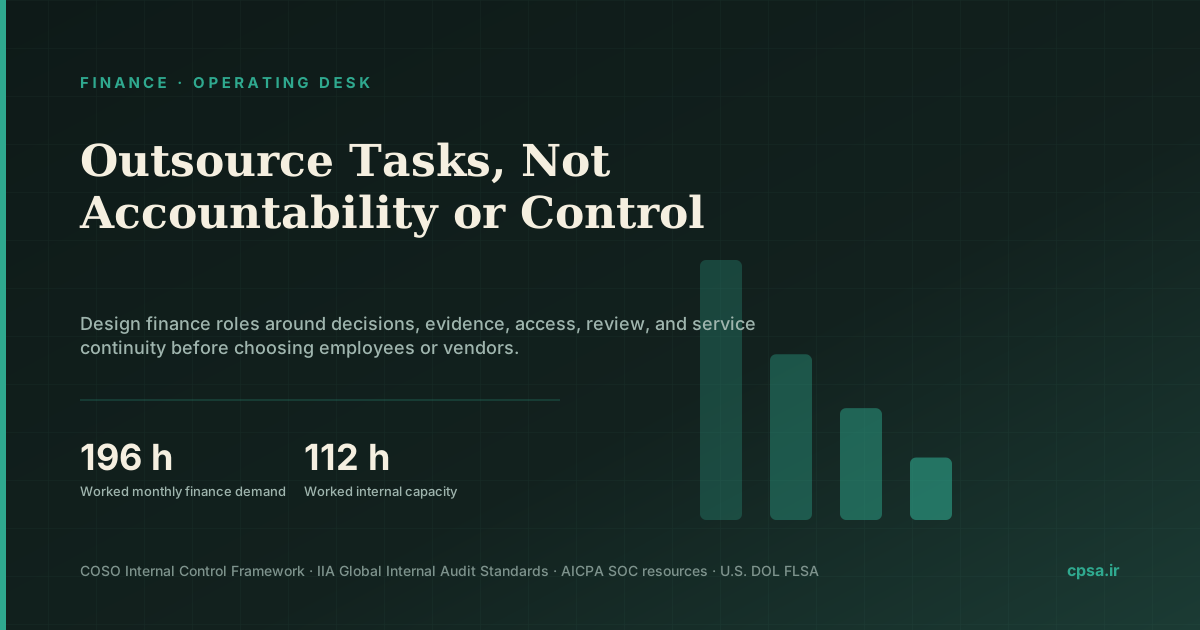
Outsource Tasks, Not Accountability or Control
Design finance roles around decisions, evidence, access, review, and service continuity before choosing employees or vendors.
startup
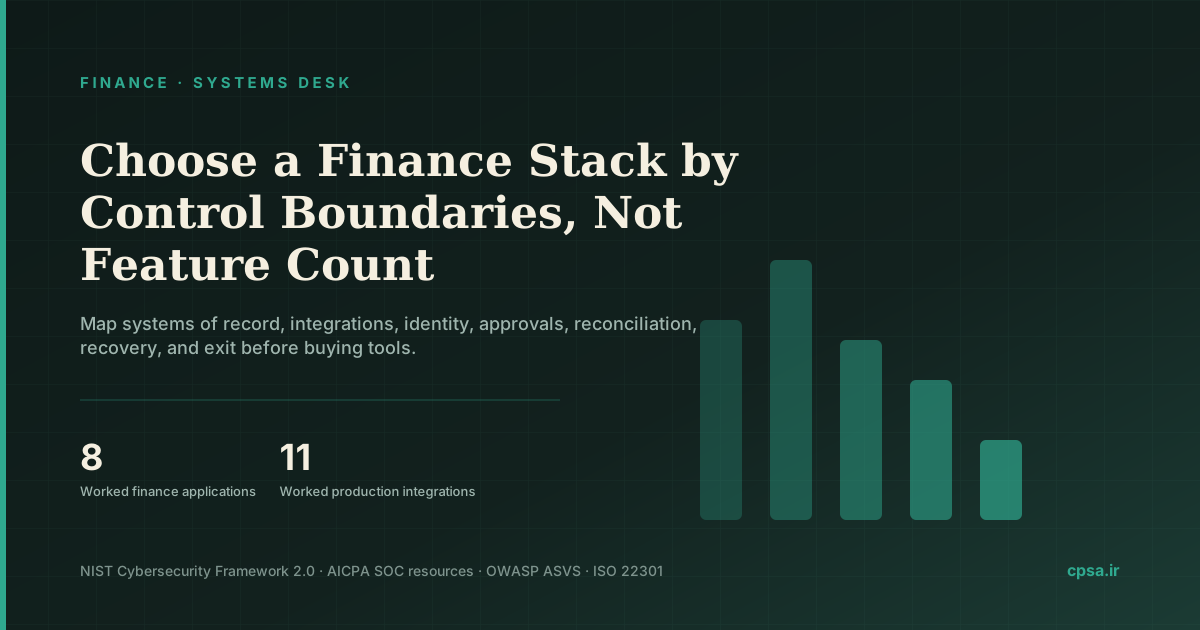
Choose a Finance Stack by Control Boundaries, Not Feature Count
Map systems of record, integrations, identity, approvals, reconciliation, recovery, and exit before buying tools.
investment
Build Angel Relationships Before You Need the Check
Earn the next conversation with dated evidence, explicit permissions, and a clean no-pressure update rhythm.
investment
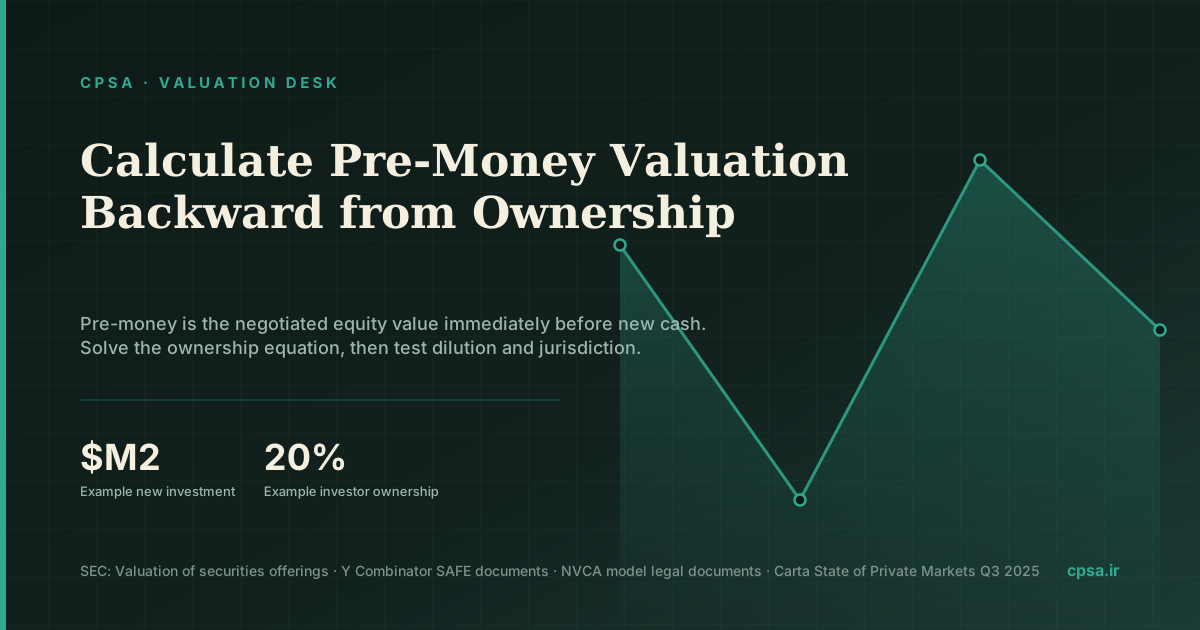
Calculate Pre-Money Valuation Backward from Ownership
Pre-money is the negotiated equity value immediately before new cash. Solve the ownership equation, then test dilution and jurisdiction.
investment
Prepare the Investment Committee Decision, Not a Longer Pitch
Turn the sponsor’s thesis into falsifiable claims, reconciled evidence, explicit risks, and a decision-ready appendix.
investment
Build the Cap Table the Next Round Can Reconcile
A financing-ready cap table ties issued shares, options, convertibles, and approvals to one fully diluted denominator.
startup
Crossing a Border Creates Several Legal Maps
An overseas customer can trigger sanctions, tax, privacy, employment, IP, and enforcement questions before a subsidiary exists.
investment
Manage Fundraising Deal Flow as a Decision Ledger
Track mandate fit, evidence state, consent, owner, next decision and cash timing—not vanity contact volume.
investment
Build Investor Diligence from Claims to Evidence
A founder-ready diligence room maps every financing claim to a current document, owner, exception, and disclosure decision.
investment
Investment Due Diligence from the Investor’s Side
Test the claims that carry the return, trace evidence to primary records, and assign every gap a decision disposition.
investment
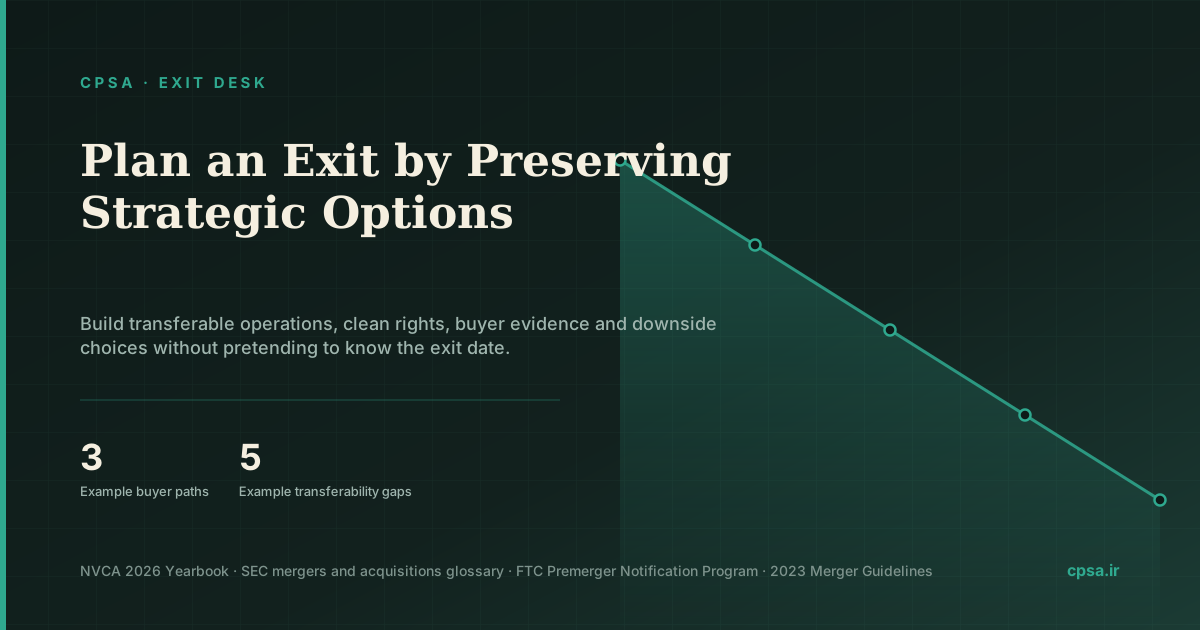
Plan an Exit by Preserving Strategic Options
Build transferable operations, clean rights, buyer evidence and downside choices without pretending to know the exit date.
investment
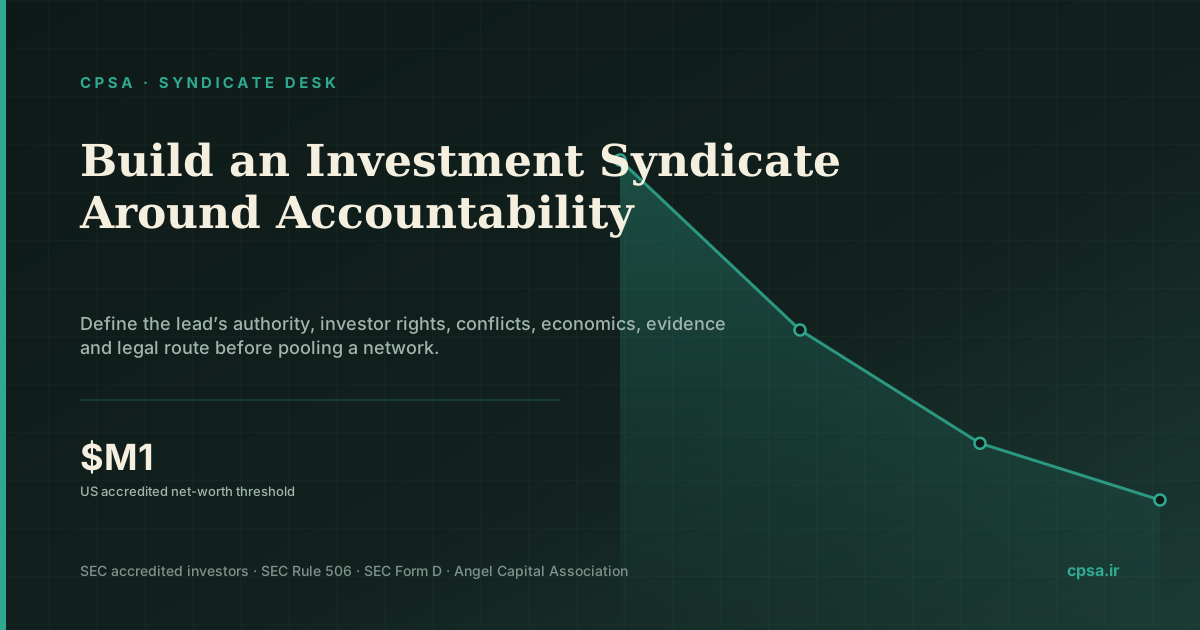
Build an Investment Syndicate Around Accountability
Define the lead’s authority, investor rights, conflicts, economics, evidence and legal route before pooling a network.
investment
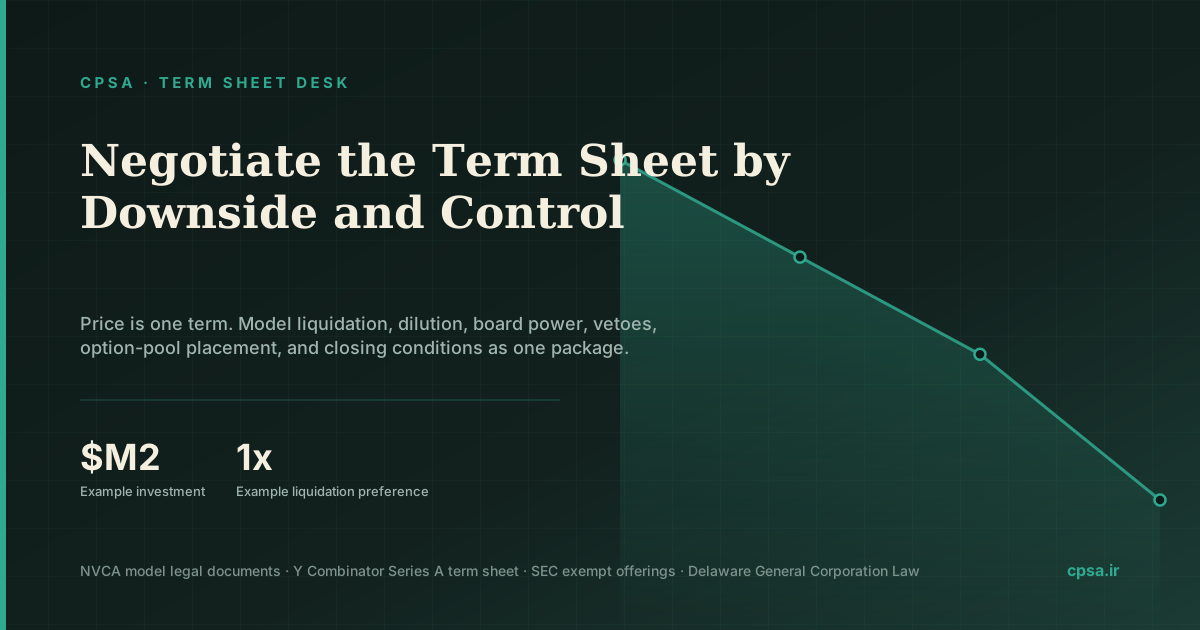
Negotiate the Term Sheet by Downside and Control
Price is one term. Model liquidation, dilution, board power, vetoes, option-pool placement, and closing conditions as one package.
startup
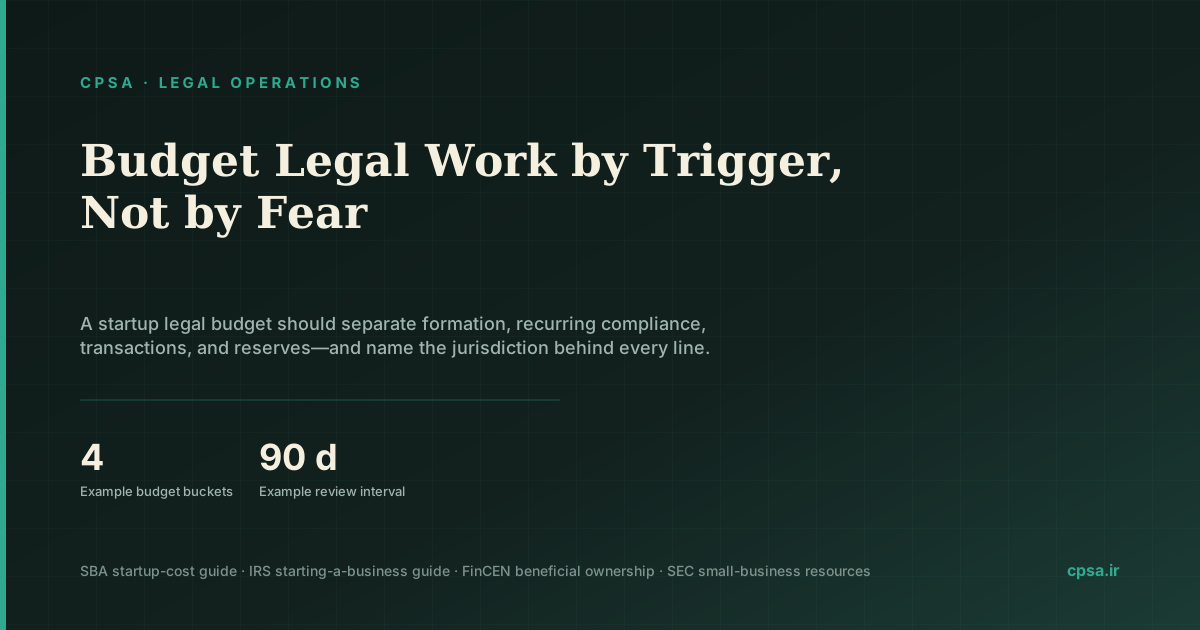
Budget Legal Work by Trigger, Not by Fear
A startup legal budget should separate formation, recurring compliance, transactions, and reserves—and name the jurisdiction behind every line.
startup
A Compliance Audit Tests Evidence, Not Confidence
Define the obligation universe, sample operating evidence, grade findings by exposure, and verify closure independently.
startup
A Template Is a Question Set, Not a Signed Contract
Use startup legal forms as issue maps, then localize parties, authority, economics, governing law, and approvals before signature.
legal
Prepare Legal Diligence as a Chain of Authority
Legal diligence asks whether the entity, securities, IP, contracts, people, data, disputes, and filings match the company's claims.
technology
Automate the Queue, Keep Judgment Human
Legal technology should automate intake, routing, dates, versions, and evidence—while risky interpretation and approval remain accountable.
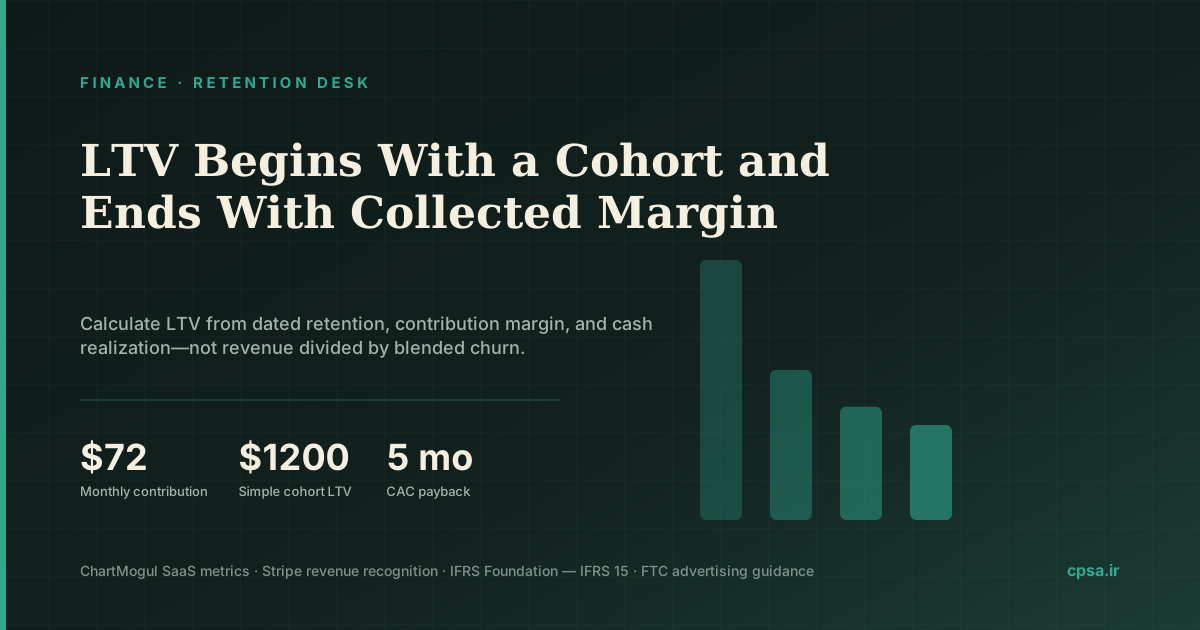
startup
LTV Begins With a Cohort and Ends With Collected Margin
Calculate LTV from dated retention, contribution margin, and cash realization—not revenue divided by blended churn.
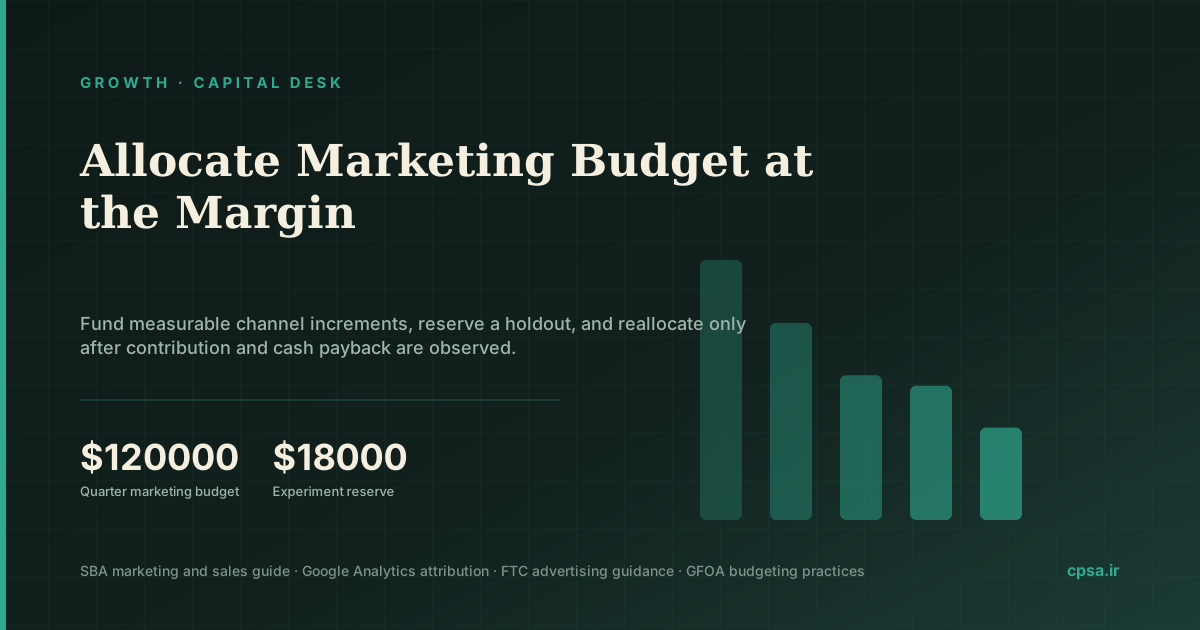
startup
Allocate Marketing Budget at the Margin
Fund measurable channel increments, reserve a holdout, and reallocate only after contribution and cash payback are observed.
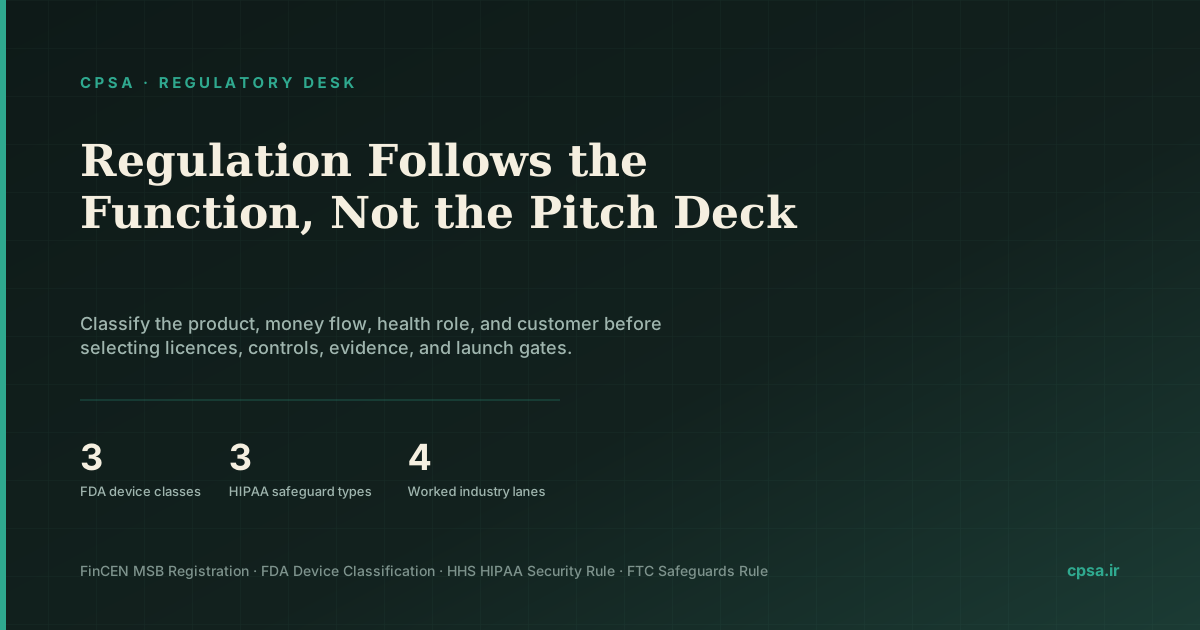
startup
Regulation Follows the Function, Not the Pitch Deck
Classify the product, money flow, health role, and customer before selecting licences, controls, evidence, and launch gates.
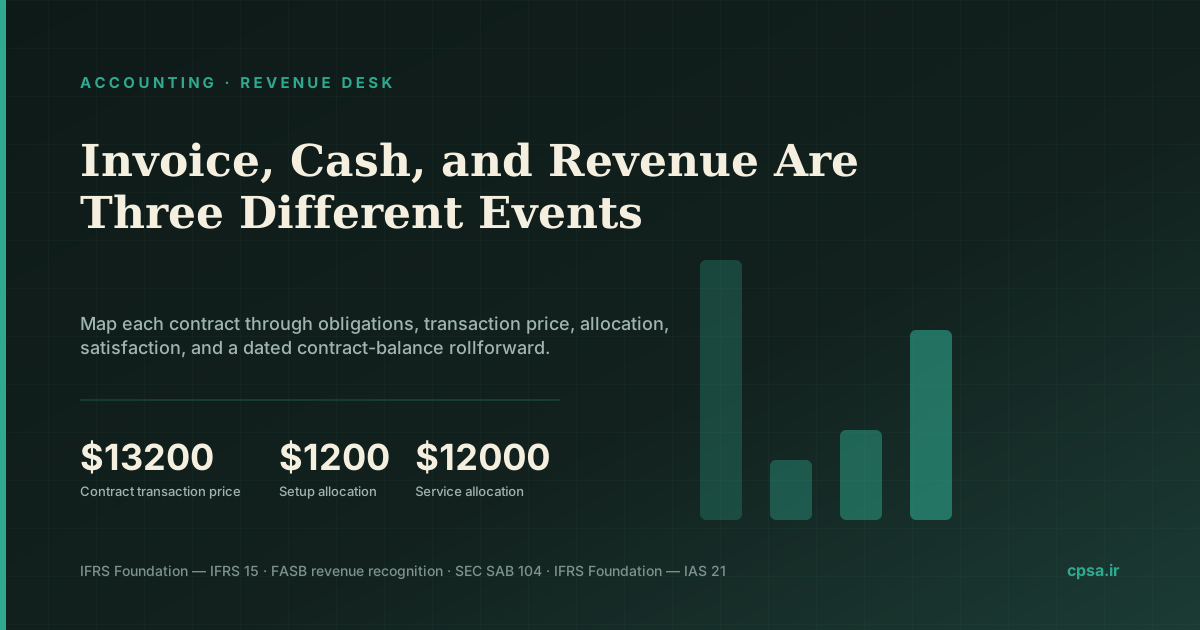
startup
Invoice, Cash, and Revenue Are Three Different Events
Map each contract through obligations, transaction price, allocation, satisfaction, and a dated contract-balance rollforward.
investment
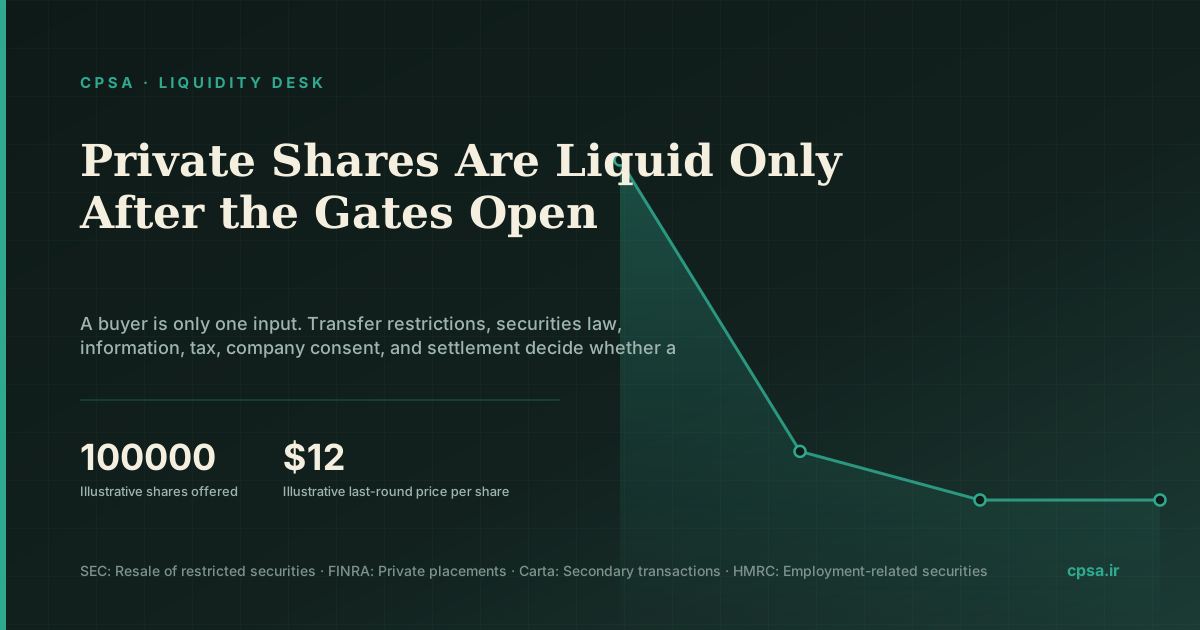
Private Shares Are Liquid Only After the Gates Open
A buyer is only one input. Transfer restrictions, securities law, information, tax, company consent, and settlement decide whether a secondary sale closes.
startup
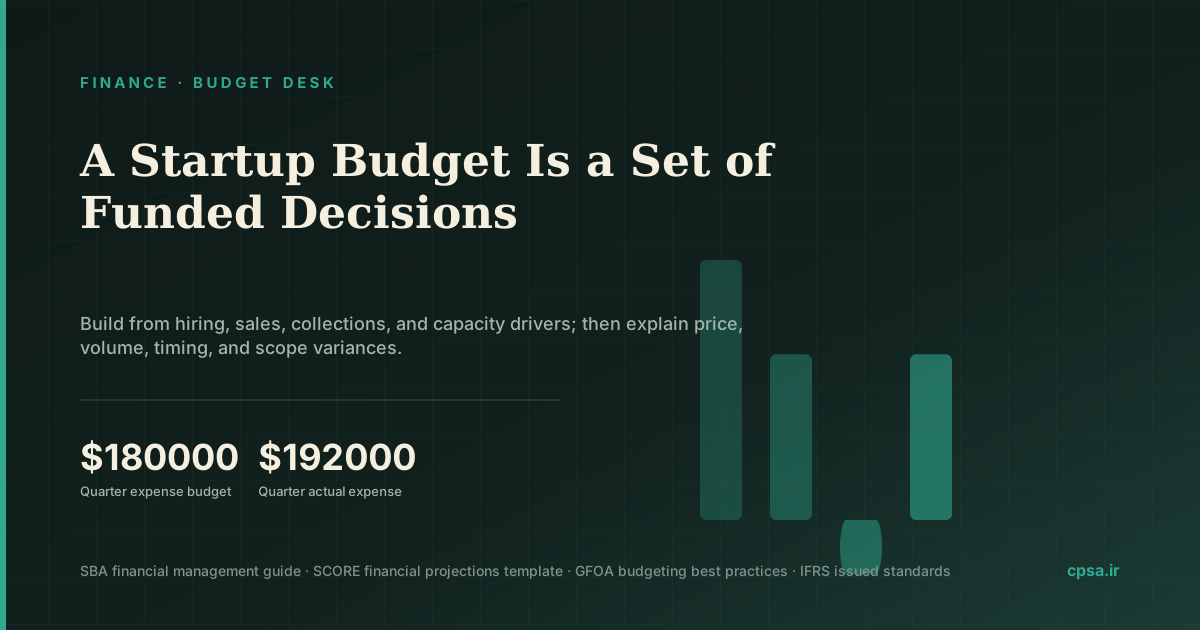
A Startup Budget Is a Set of Funded Decisions
Build from hiring, sales, collections, and capacity drivers; then explain price, volume, timing, and scope variances.
Startup
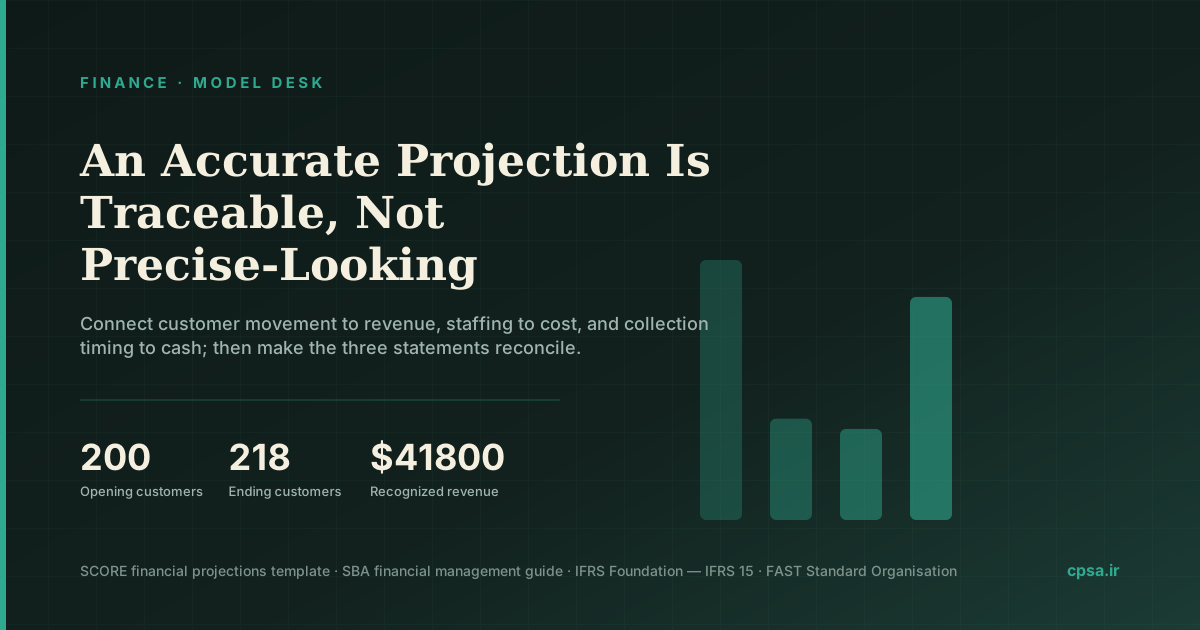
An Accurate Projection Is Traceable, Not Precise-Looking
Connect customer movement to revenue, staffing to cost, and collection timing to cash; then make the three statements reconcile.
Startup
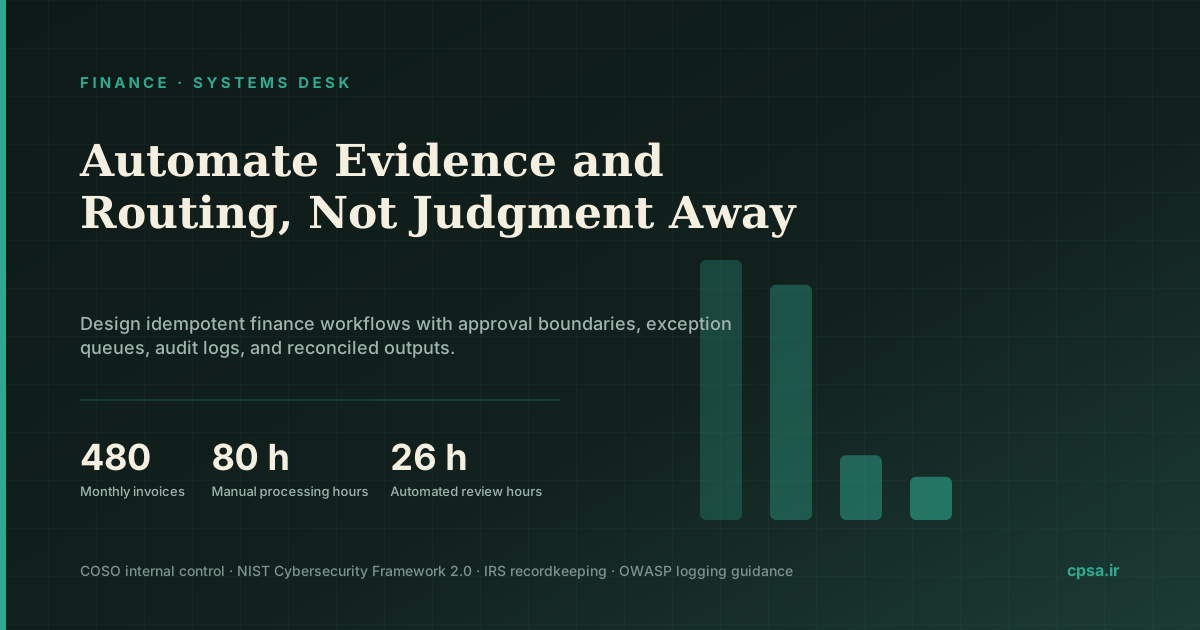
Automate Evidence and Routing, Not Judgment Away
Design idempotent finance workflows with approval boundaries, exception queues, audit logs, and reconciled outputs.
Startup
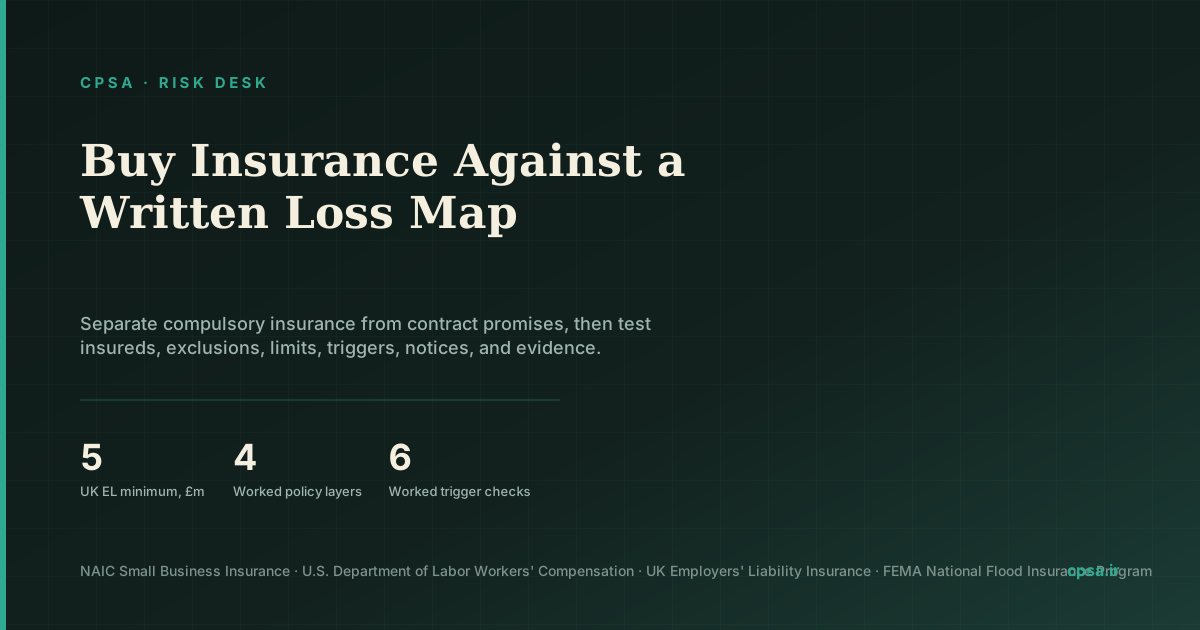
Buy Insurance Against a Written Loss Map
Separate compulsory insurance from contract promises, then test insureds, exclusions, limits, triggers, notices, and evidence.
Startup
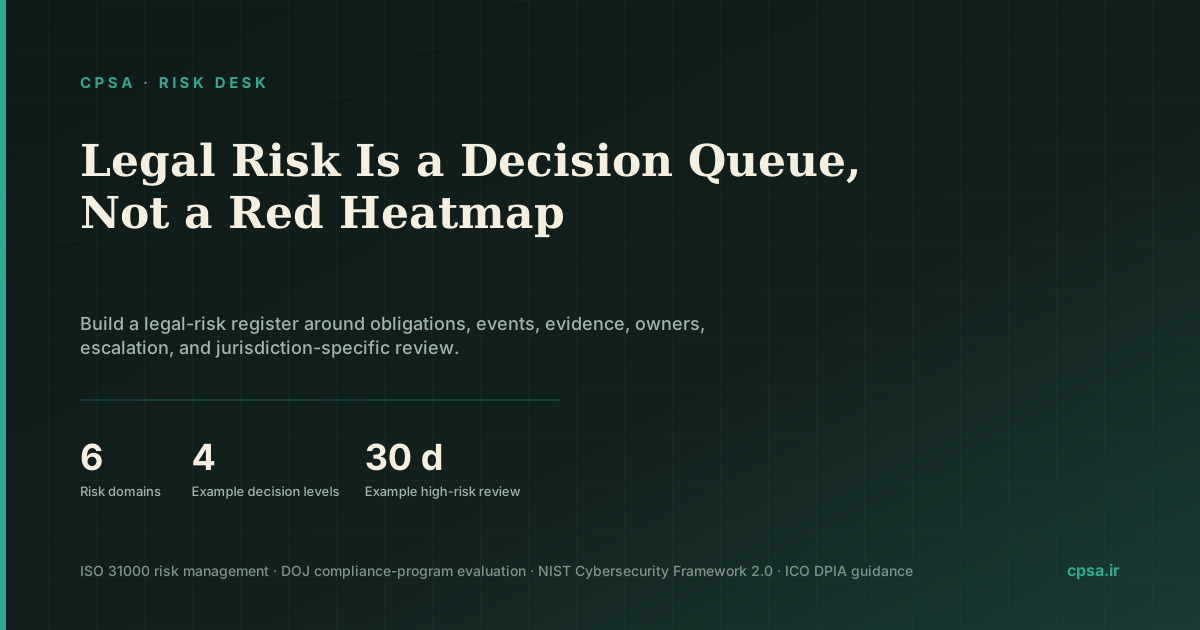
Legal Risk Is a Decision Queue, Not a Red Heatmap
Build a legal-risk register around obligations, events, evidence, owners, escalation, and jurisdiction-specific review.
Startup
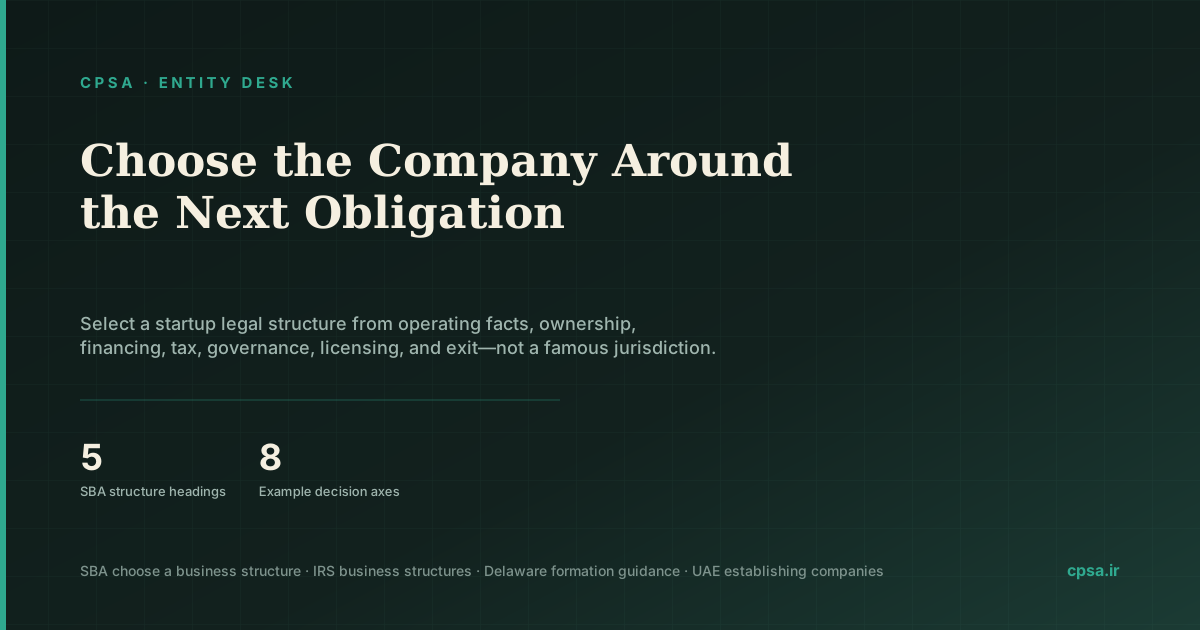
Choose the Company Around the Next Obligation
Select a startup legal structure from operating facts, ownership, financing, tax, governance, licensing, and exit—not a famous jurisdiction.
Startup
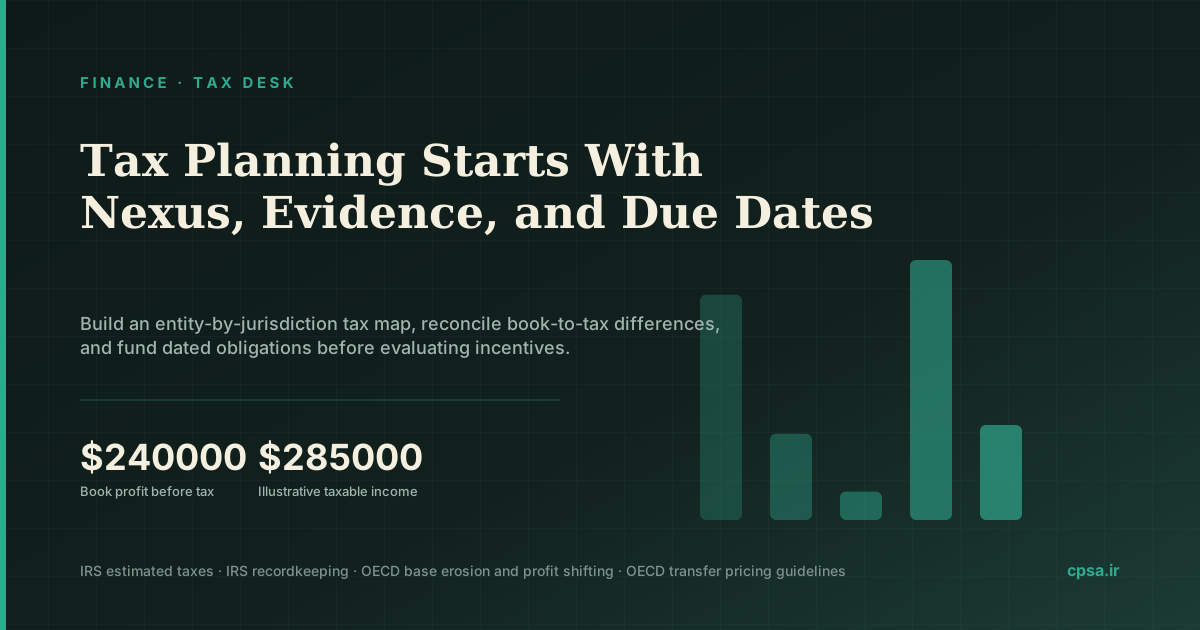
Tax Planning Starts With Nexus, Evidence, and Due Dates
Build an entity-by-jurisdiction tax map, reconcile book-to-tax differences, and fund dated obligations before evaluating incentives.
investment
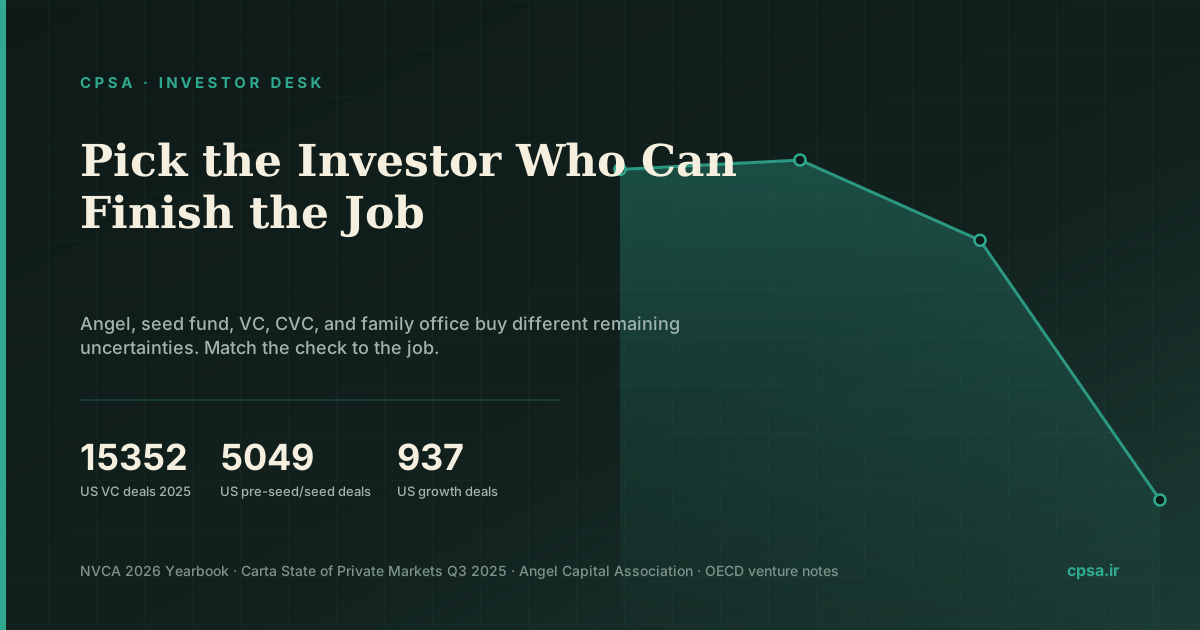
Pick the Investor Who Can Finish the Job
Angel, seed fund, VC, CVC, and family office buy different remaining uncertainties. Match the check to the job.
Investment
Startup Funding Rounds, Read as a Calendar
Carta's Q4 2025 sample puts median seed-to-Series A at 1.9 years. Treat the gap as runway math, not a compliment.
Startup
Start With a Paying Conversation, Not a Canvas
The first week of an idea is a scheduled conversation with a person who already spends money on the pain.
Startup
Why Most Startups Fail: What the 2026 Data Actually Shows
The famous 90% failure rate measures venture-scale returns, not survival. Here is what current data shows about when startups die, why cash is only the final symptom, and the runway gap now manufacturing avoidable failures.
technology
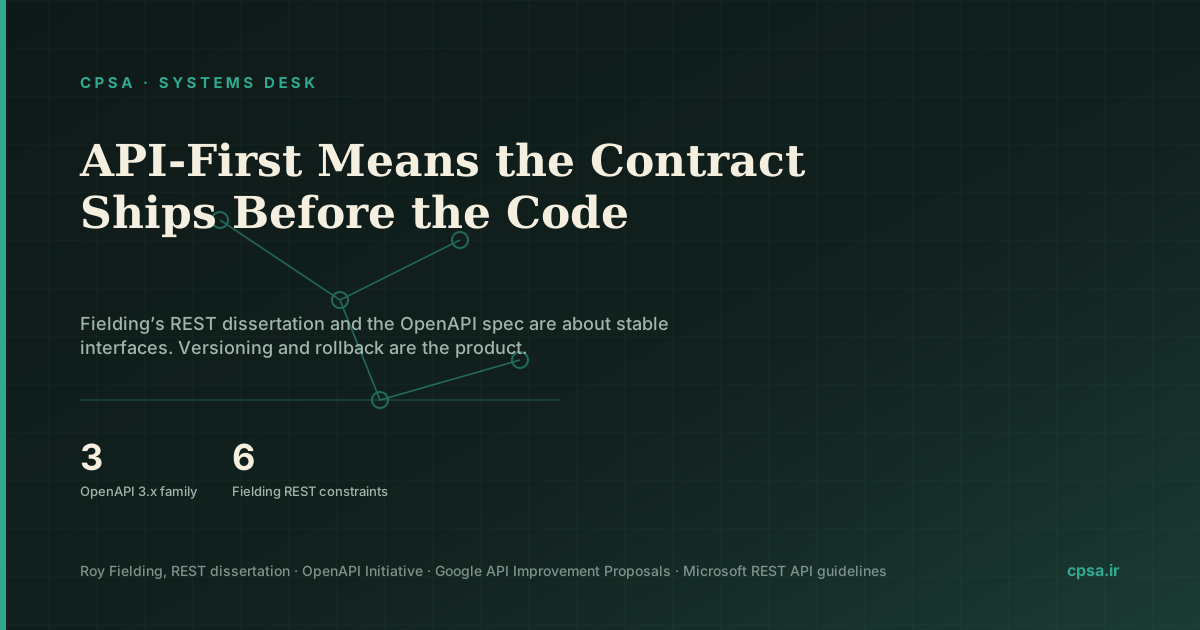
API-First Means the Contract Ships Before the Code
Fielding’s REST dissertation and the OpenAPI spec are about stable interfaces. Versioning and rollback are the product.
startup
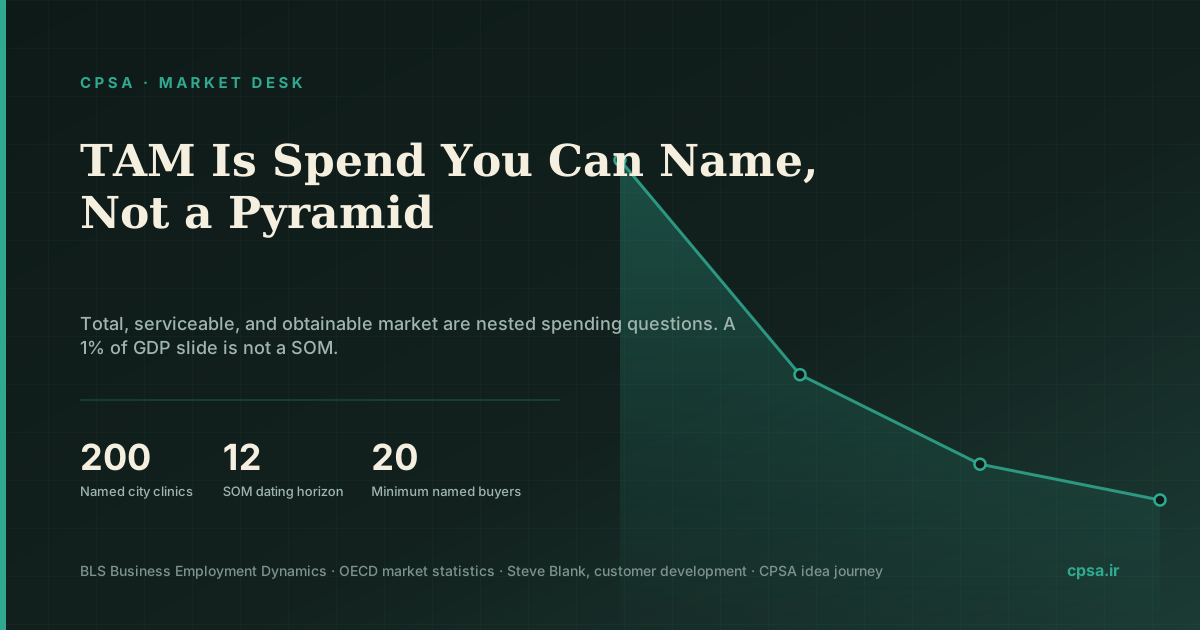
TAM Is Spend You Can Name, Not a Pyramid
Total, serviceable, and obtainable market are nested spending questions. A 1% of GDP slide is not a SOM.
Startup
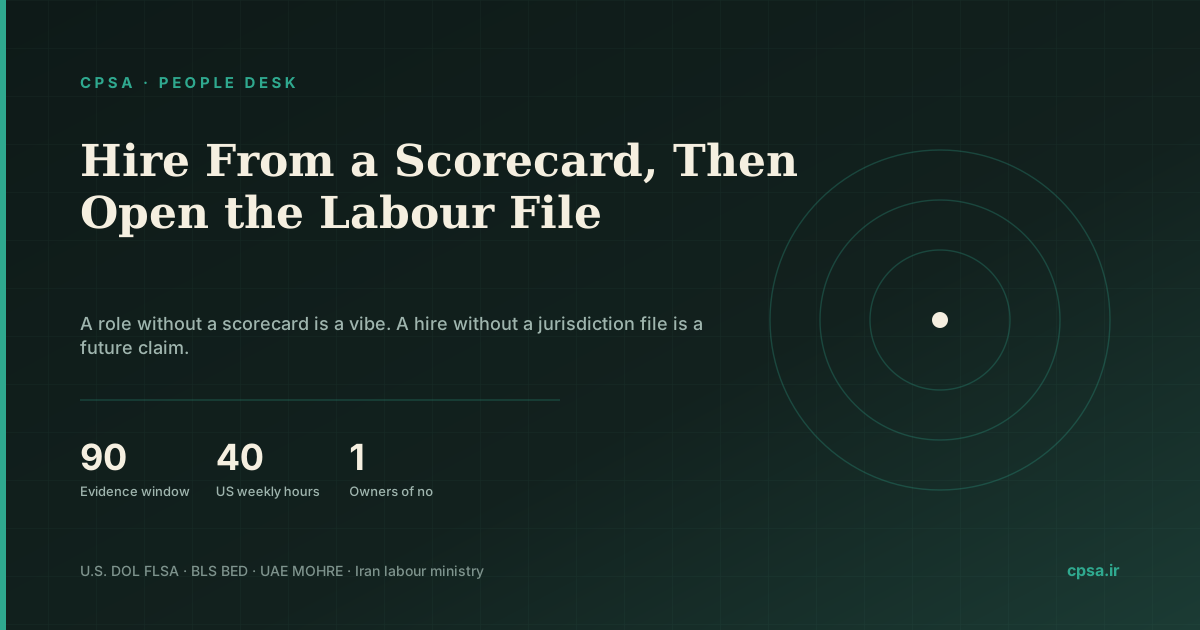
Hire From a Scorecard, Then Open the Labour File
A role without a scorecard is a vibe. A hire without a jurisdiction file is a future claim.
Technology
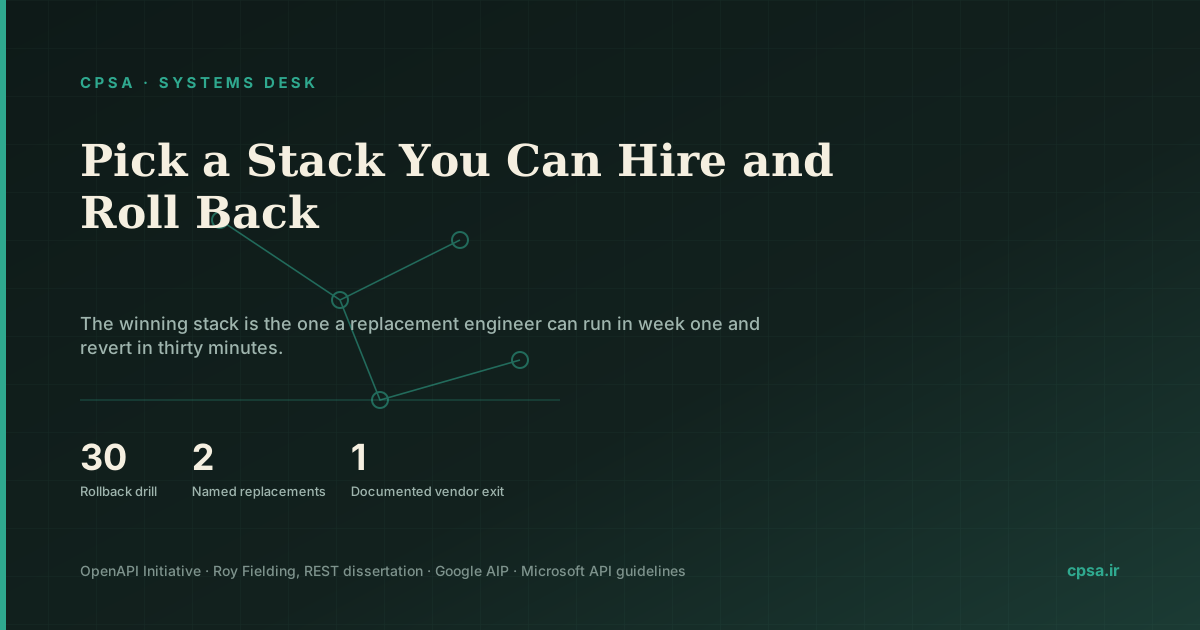
Pick a Stack You Can Hire and Roll Back
The winning stack is the one a replacement engineer can run in week one and revert in thirty minutes.
Stay Updated
Get the latest insights delivered to your inbox
We respect your privacy. Unsubscribe at any time.
Browse by Category
Find content that interests you most